Scars, explained by evidence.
A guide to every scar type and every treatment used on them. Each treatment is graded Strong, Moderate, Limited or Weak for the clinical evidence behind it, and every claim links to the study it came from. Nothing here is sponsored.
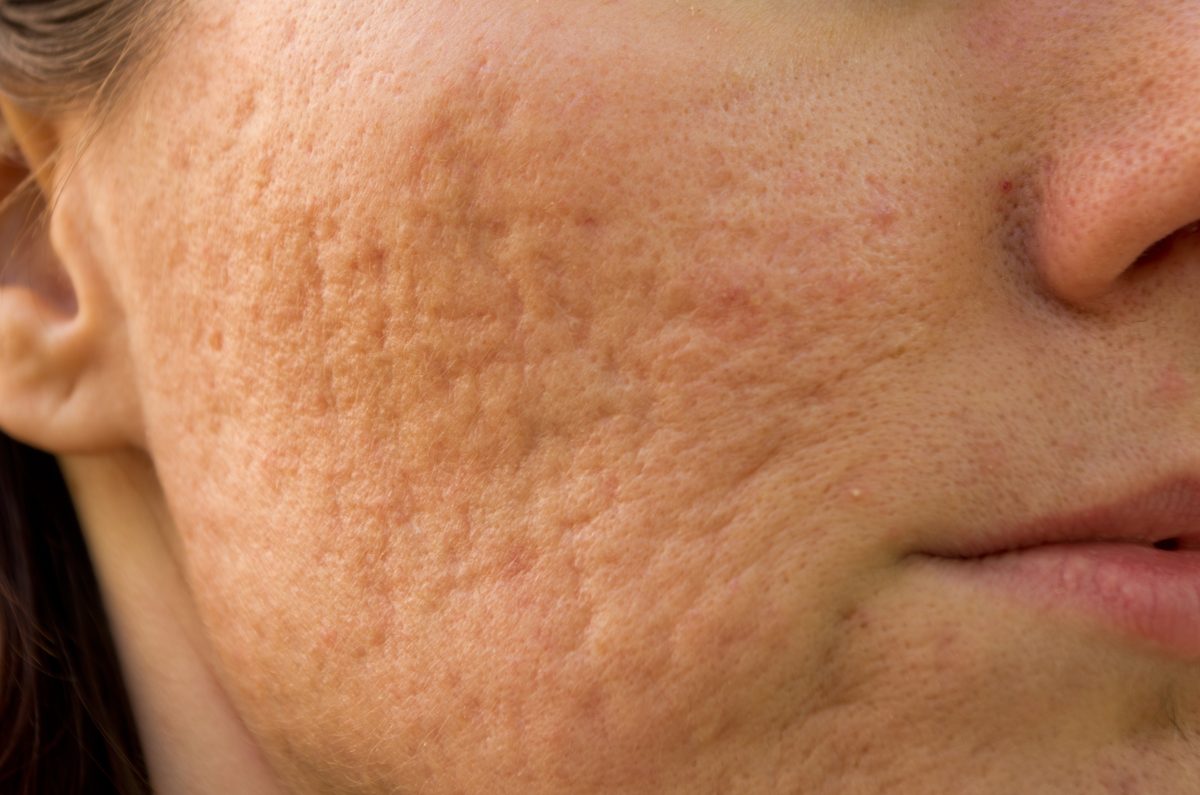
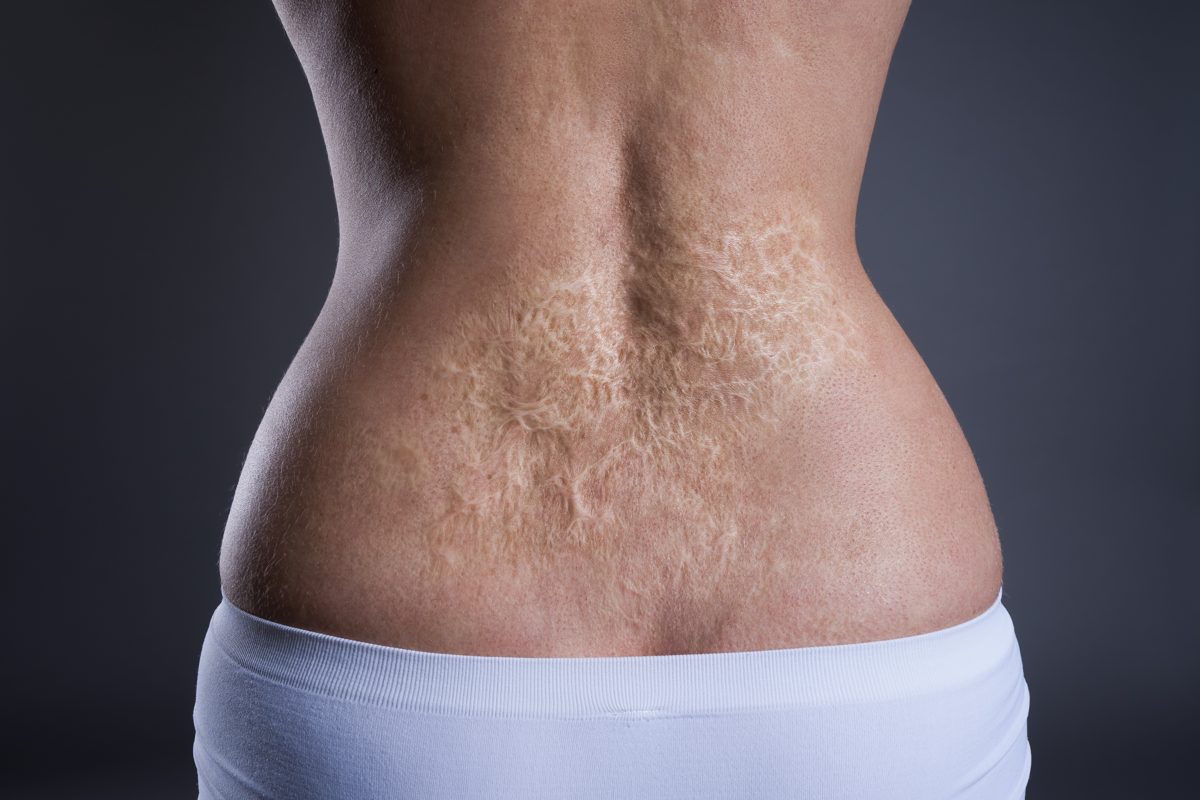
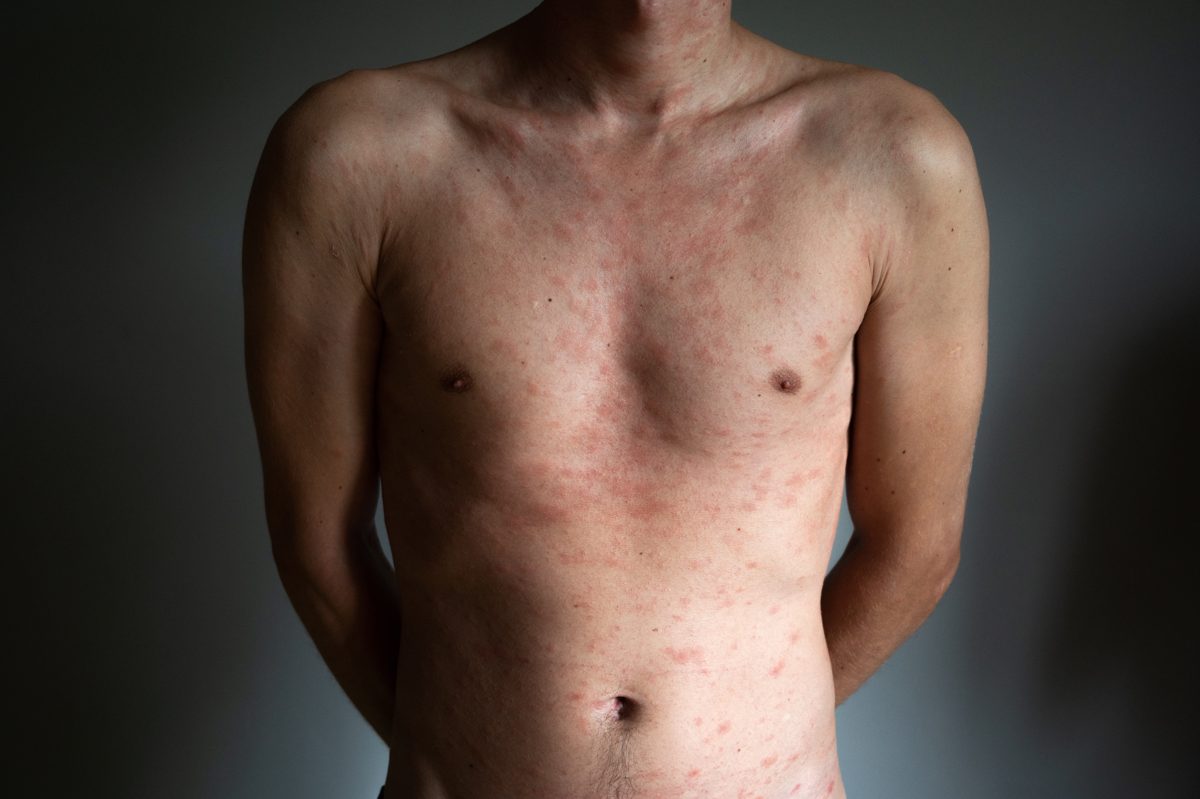
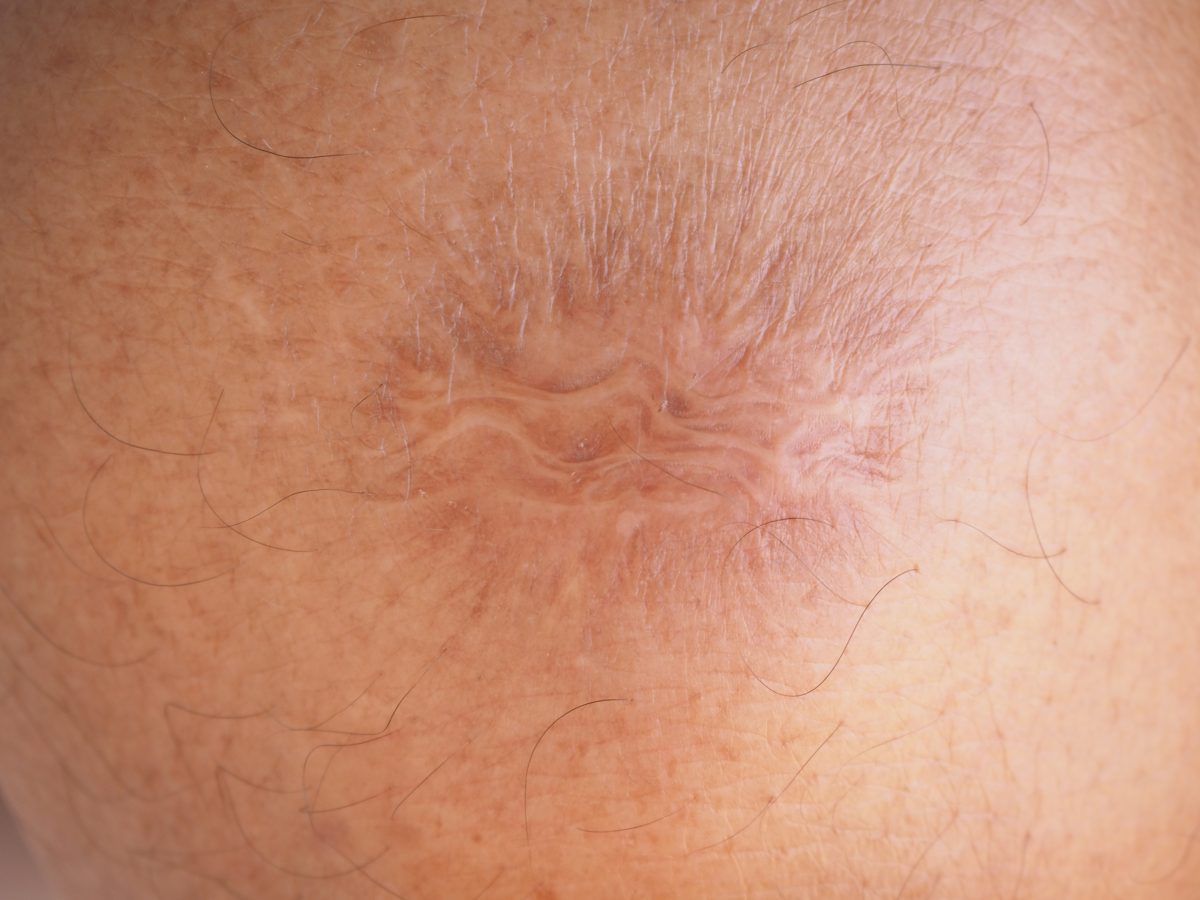
Browse by scar type
Not sure which type you have? The assessment narrows it down in five questions.

Browse by treatment
The same treatment can be first line for one scar type and useless for another. Grades inside each hub are given per scar type.
Creams and dressings
Resurfacing
Procedures
Top questions
When should I start treating a surgical scar?
Within the first three months. Silicone once the wound is fully closed, plus sun protection for the first year.
Which scar cream ingredients have evidence?
Medical-grade silicone is the only topical with repeated randomized support. Retinoids and onion extract have weaker evidence; vitamin E has none.
Does vitamin E help scars?
No. The best-known controlled trial found no cosmetic benefit and contact dermatitis in 33% of participants. Rated Weak.
Which treatment suits my scar type?
Each treatment page lists the scar types it works on, with a separate evidence rating for each.
Recently reviewed
These articles were re-checked against the current literature on the date shown. A review means the sources were re-read and the evidence re-tested. It does not mean the page was edited.

C-Sections and Skin Grafts: Managing Major Surgical Scars
From C-sections to skin grafts, major surgical scars need structured aftercare. Discover the evidence-based strategies for protecting and improving large post-surgical scars.

Lighten Up: The Science of Serums for Old Scars
What does the evidence say about using topical serums to lighten old scars? Explore the most clinically relevant ingredients and how they target discoloration and uneven texture in mature scar tissue.

Nature's Antiseptic for Scar Care?
Tea tree oil is often recommended for scars, but does the science back it up? We examine what the evidence actually says about this popular natural antiseptic and scar healing.
Hear about it when the evidence changes
Occasional email, sent only when new research changes a recommendation on this site. You get what moved and why. No treatment tips, no products.